Client
HyMove / Syntus
Date
Services
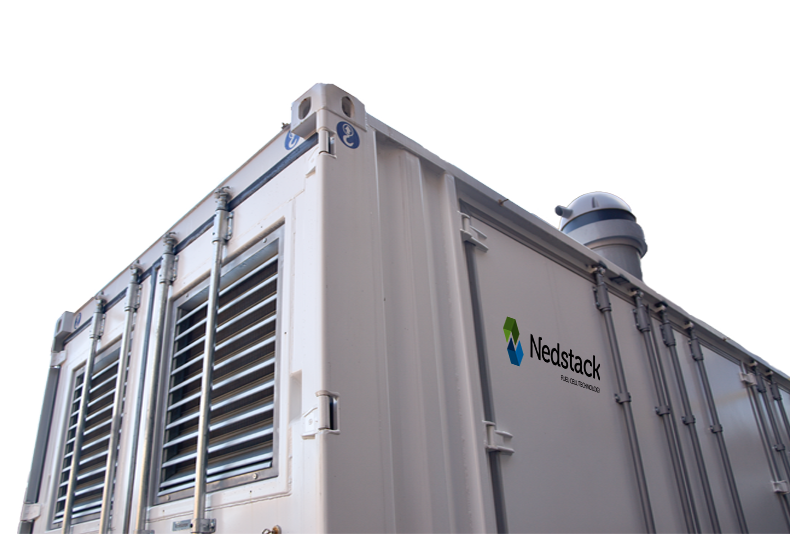
Fuel cell stack supply & range-extender integration
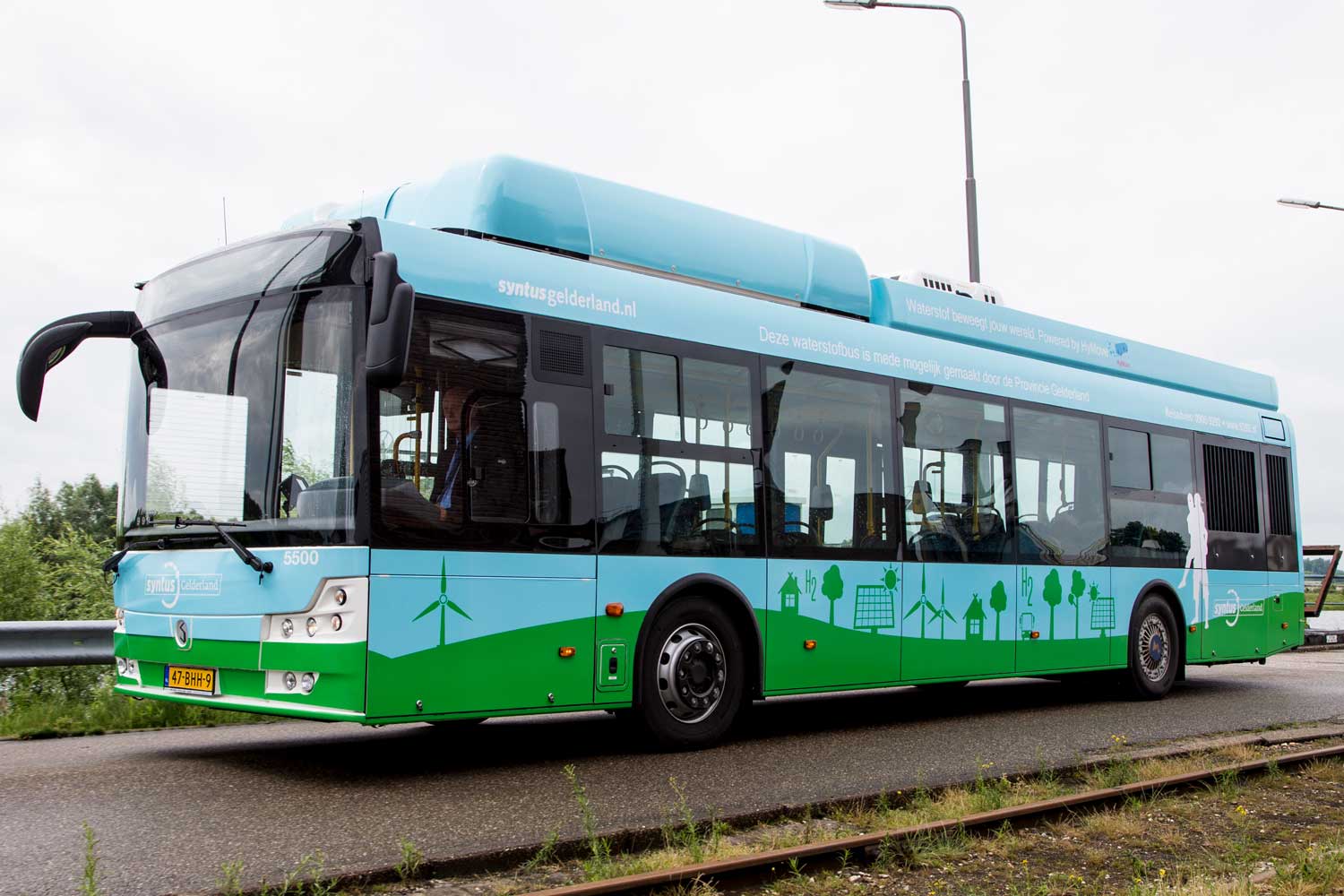
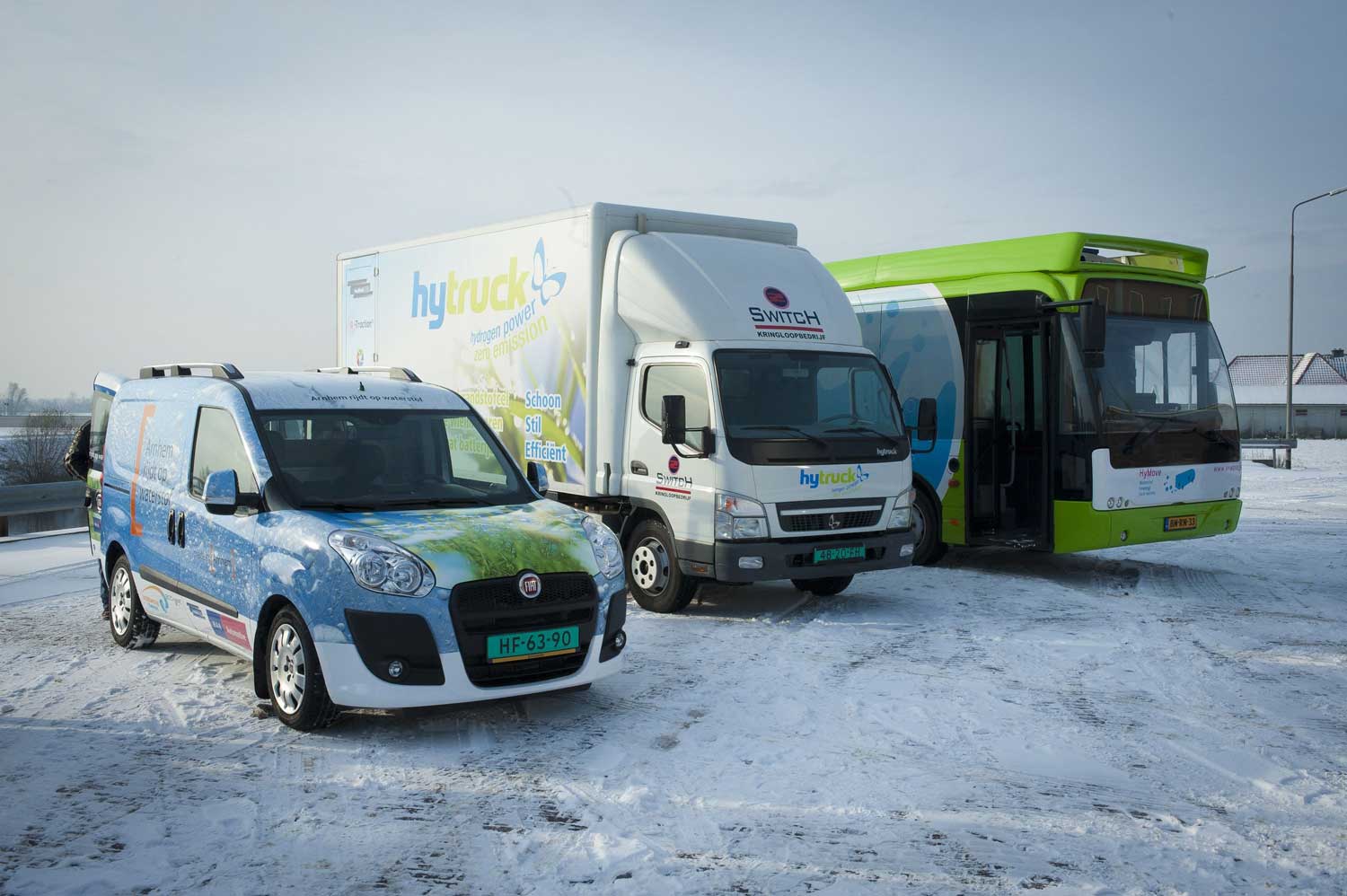
In 2015, a hydrogen bus in a Dutch regional timetable was still an open question. HyMove's first hydrogen bus never entered service in Arnhem: after a series of promotional rides it was dismantled, because keeping it on the road was too expensive.
The second attempt asked a narrower question. Can a fuel cell bus run a full day in regular service, as dependably as a diesel?
From 2017 to 2020 it did, on eight Nedstack XXL stacks.
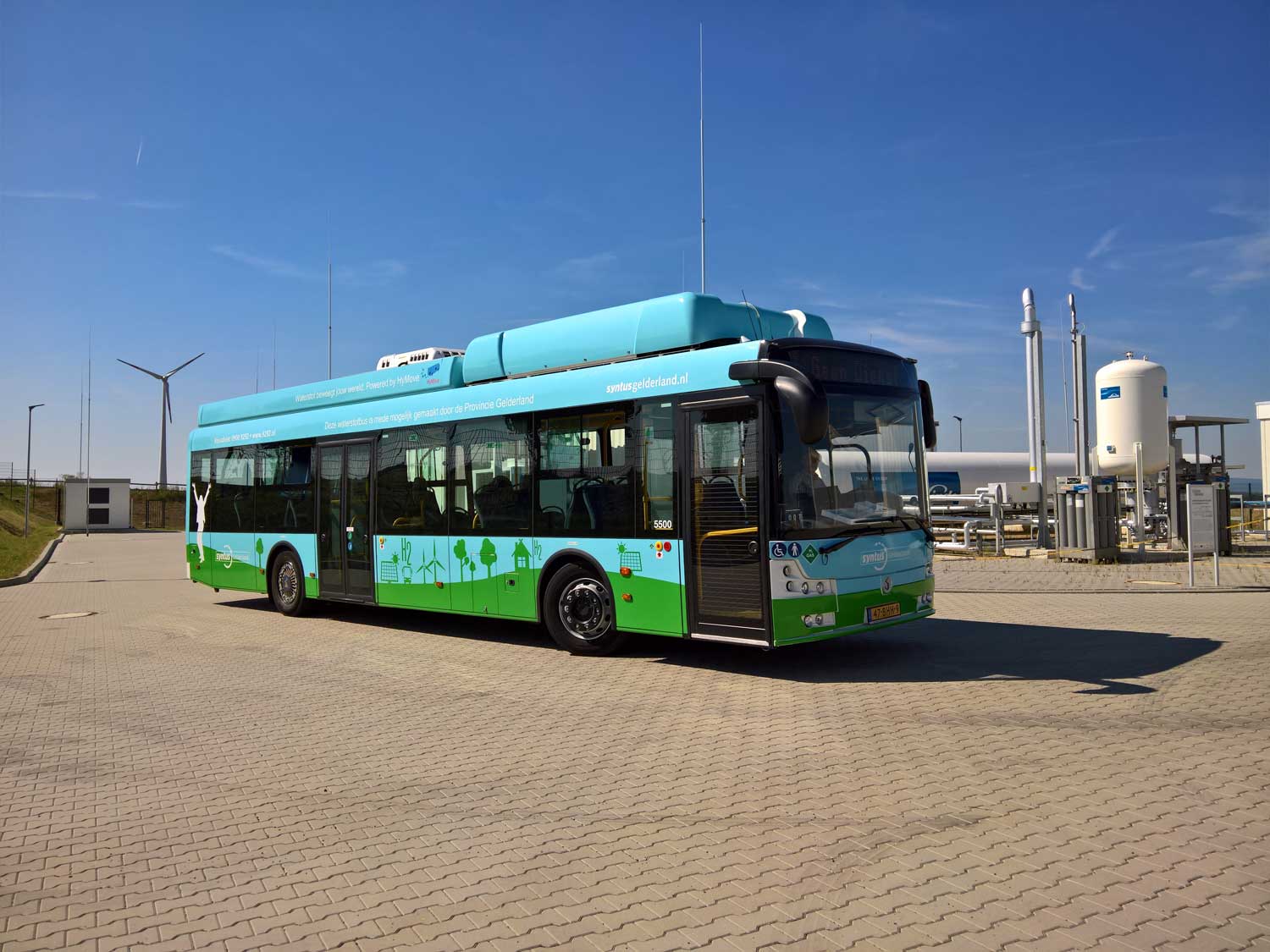
Syntus needed a bus that fitted the timetable it already ran: regional routes of around 90 km, several motorway sections, and a single hydrogen station in Arnhem. A bus that needed a midday refuel would fail the test.
The Province of Gelderland set the bar explicitly. Its €760,000 subsidy was granted to demonstrate the operational reliability of hydrogen buses, not to build another showpiece.
And the previous bus had been, in HyMove's own words, a laboratory model of components screwed together. This one had to be the first of a series.
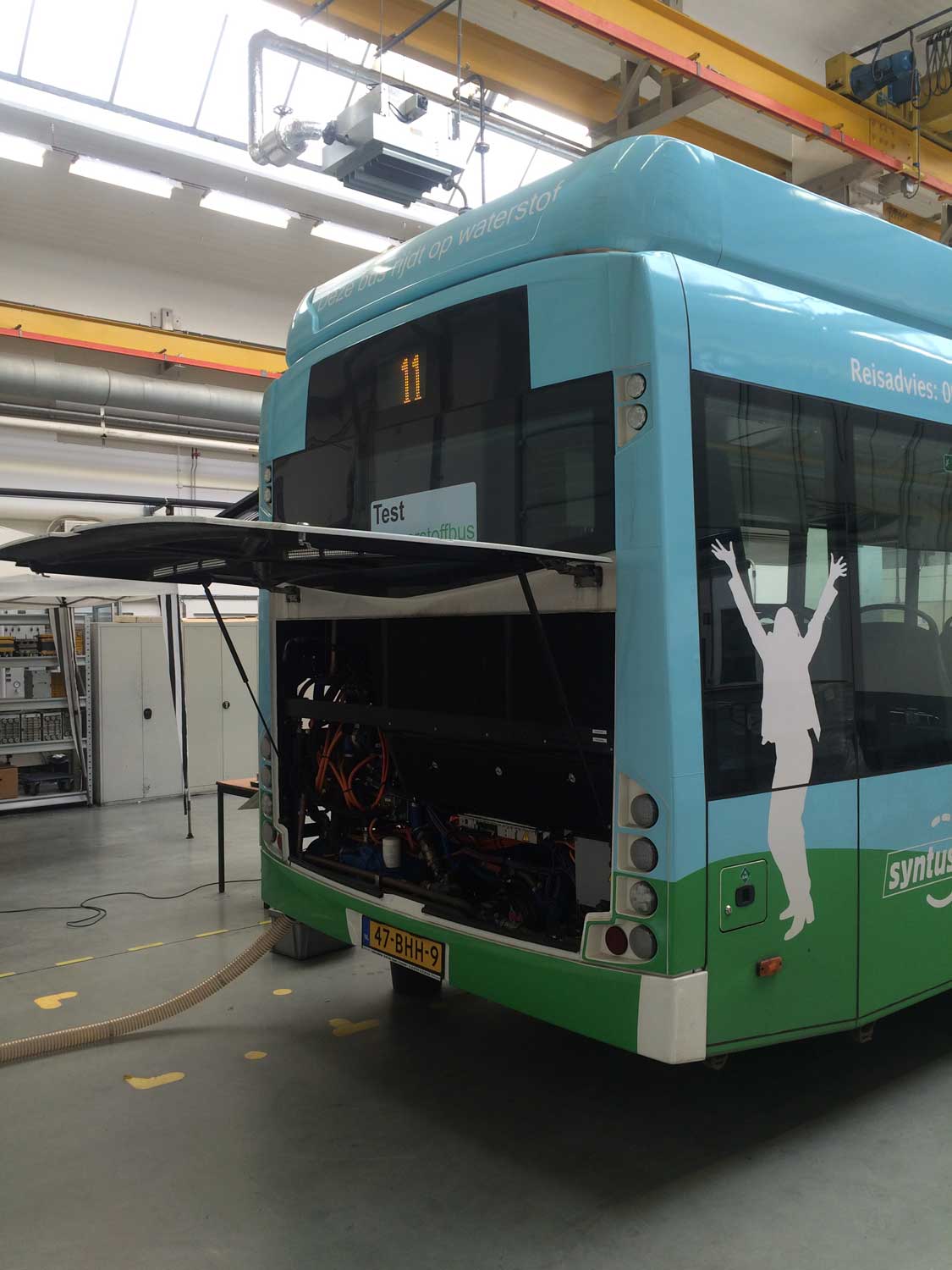
The stacks don't drive the wheels. The 226 kW drivetrain runs from the batteries; the eight XXL stacks keep those batteries charged with more than 60 kW. Acceleration peaks stay with the battery, and the fuel cell runs a steadier load. It was the same XXL stack family Nedstack had been taking towards 40,000 hours in stationary operation.
Routes ran around 90 km with motorway sections, at an average of about 50 km/h over the day. In service the buses covered 270 to 440 km a day on a 460 km range. One fill covered the shift, which is what let them replace diesel buses one-to-one without changing the timetable.
There was one station, in Arnhem, and every refuelling trip took two hours. By 2020 the evaluation named the daily hydrogen supply as the remaining challenge. The vehicle was no longer the bottleneck.
From the operator evaluation over September 2018 – March 2020. Availability and consumption are for the first, Nedstack-powered bus.
Gelderland's question was whether a fuel cell bus could hold a regional timetable. Over eighteen months of measured operation the answer was 96% availability, which the evaluation put on par with diesel buses, with no change to the timetable.
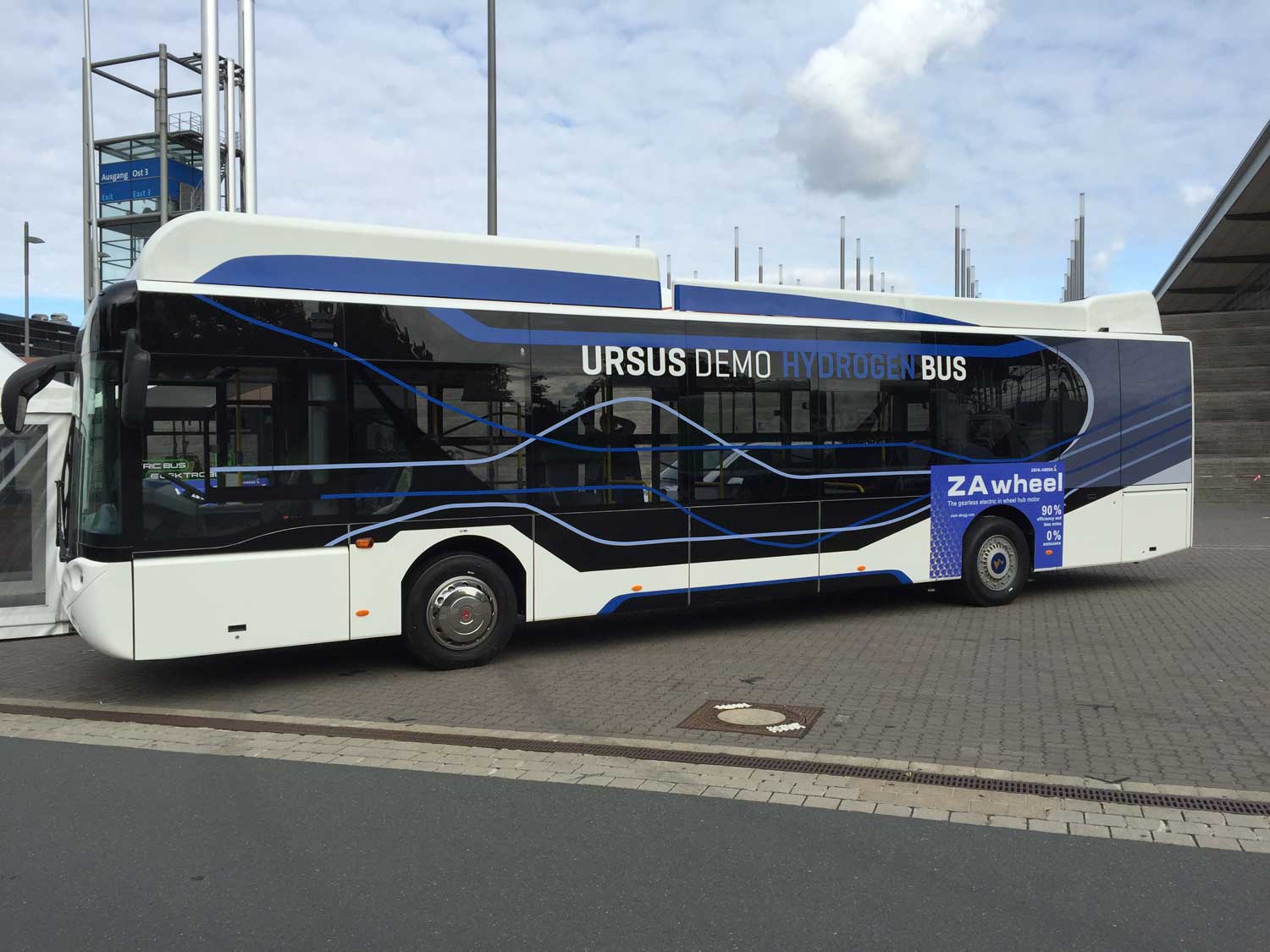
It also took the stack from the plant to the road. After Delfzijl and Lillo ran Nedstack stacks in stationary power plants, Gelderland ran them in a vehicle with a passenger timetable. A second bus, built by Ursus and specified with a Nedstack fuel cell, joined the service in 2018.
Contact us today, and your hydrogen project begins.